Devanagari ↔ Brahmi
Convert text between the modern Devanagari script and the ancient Brahmi script, with optional English typing (transliteration).
Character reference chart
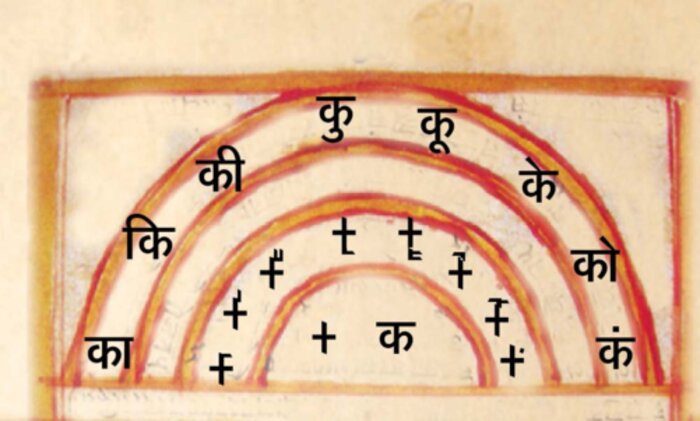
| Devanagari | Brahmi | Sound / name |
|---|
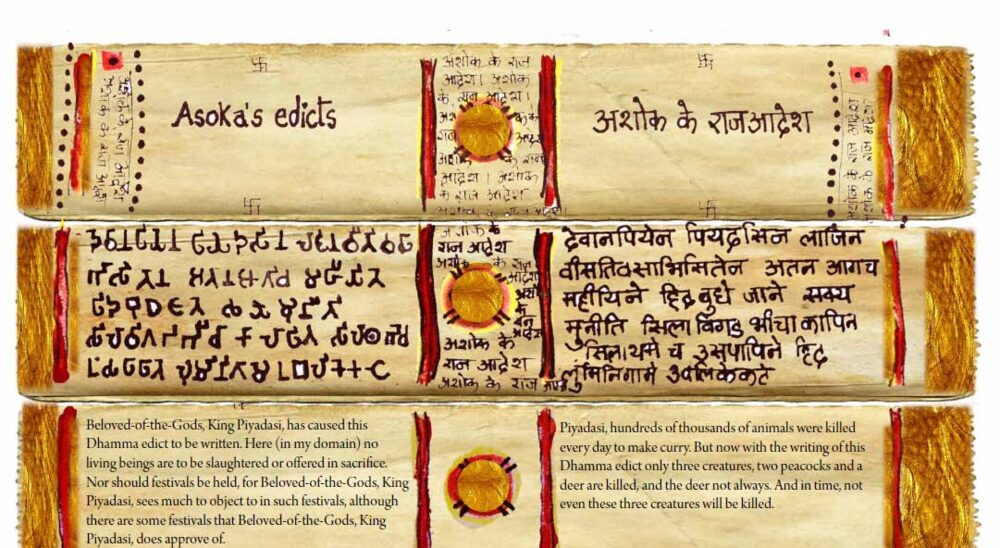
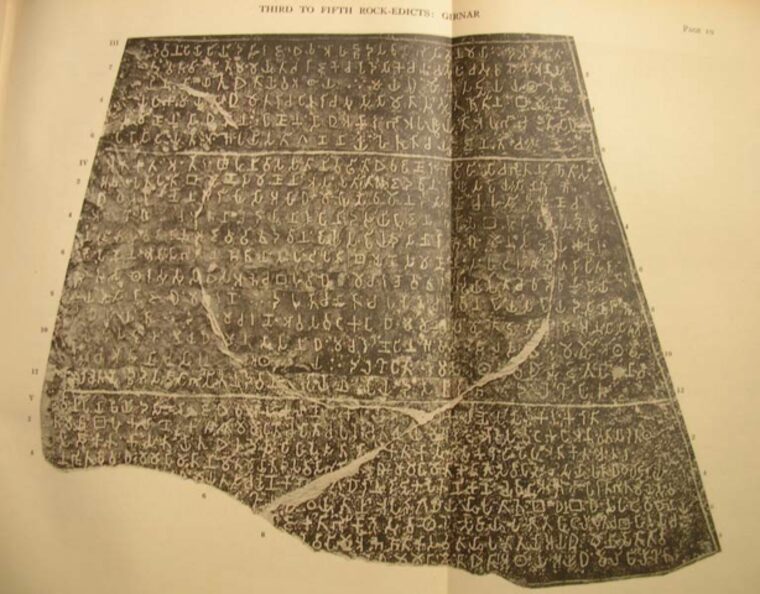
About Brahmi. Brahmi is one of the oldest writing systems of Ancient India, in use from roughly the 3rd century BCE (the edicts of Ashoka) to the 5th century CE. Most modern Indic scripts, including Devanagari, descend from it.
Fonts. If Brahmi shows as boxes (☐) or question marks, install the Noto Sans Brahmi font, or view on a device that has it. The web app bundles it, but some browsers restrict local font loading.
Typing Devanagari. Turn on “⌨ Type in English” above to type phonetically
(e.g. namaste → नमस्ते), powered by
Google Input Tools
— no Devanagari keyboard needed. Suggestions appear as you type; tap one, or press Space to
accept the first. This option needs an internet connection. You can also use your device's Hindi keyboard.
Older scripts. Interested in even older writing? Explore the Indus Valley script, the undeciphered symbols of the Bronze Age Indus civilization.
References: Brahmi (U+11000) · Devanagari (U+0900) · Wikipedia